How to Make Your Next Event Shine at a Bar With Private Room
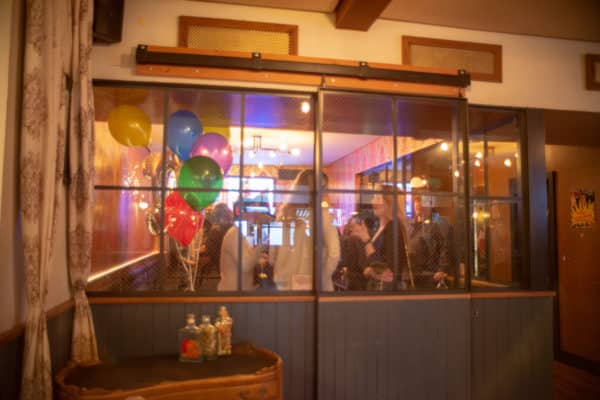
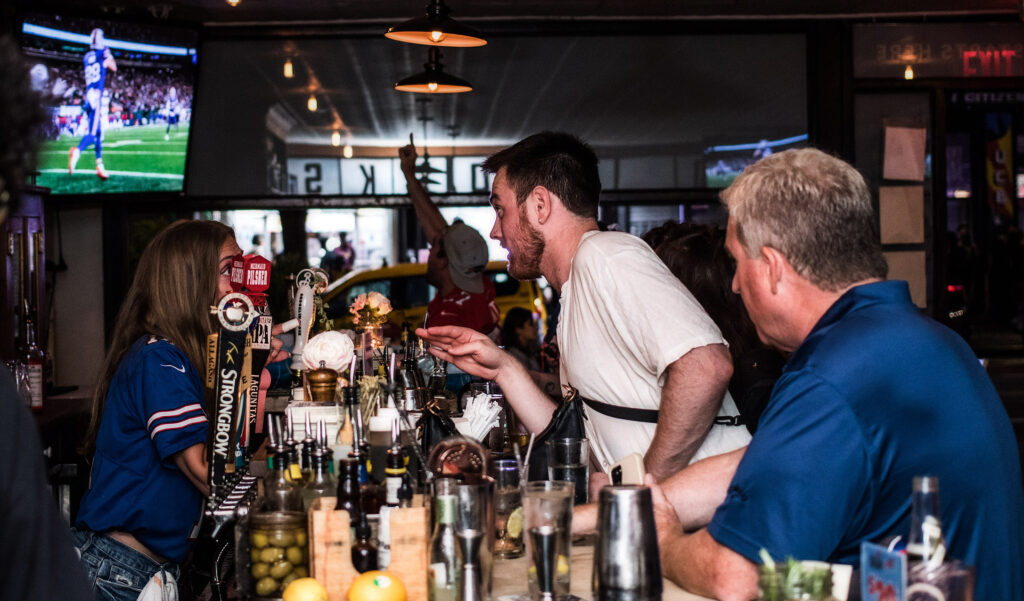
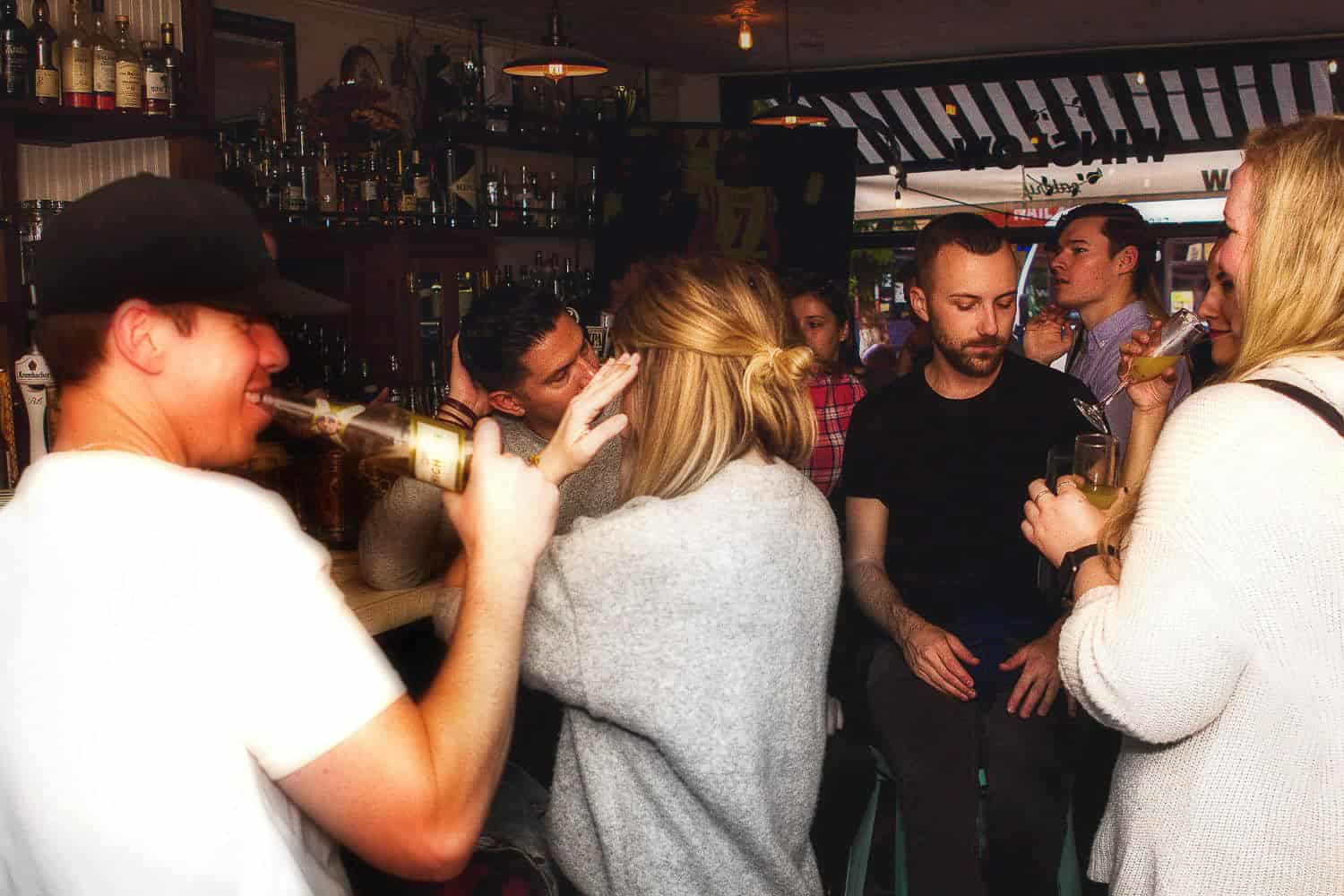
A memorable event rarely comes down to one flashy decision. It is usually the result of several smart ones made early, then followed through with care. Venue choice sits near the top of that list. When people want a gathering that feels more polished than a casual meet-up but less stiff than a banquet hall, a Bar With Private Room often hits the sweet spot.
I have seen this format work for almost every kind of occasion: birthday dinners that needed a little energy, client mixers that needed privacy without feeling corporate, rehearsal dinners where guests wanted to mingle instead of staying pinned to assigned seats, and team celebrations that benefited from good food, an easy drink service, and a room set apart from the main crowd. The private room changes the dynamic. It gives your group a sense of ownership over the night, while the bar setting keeps things social and relaxed.
That balance is exactly why these spaces are so useful, and exactly why they require thoughtful planning. A private room can elevate an event, but it can also expose every weak choice. If the room is too dark for a networking event, too cramped for a birthday crowd, or too disconnected from the main bar atmosphere for a celebration, the evening loses momentum fast. Guests may not be able to explain what felt off, but they feel it.
The good news is that most of the problems people run into are predictable. They can be avoided with a few practical decisions about layout, service, timing, menu structure, and atmosphere. If you want your next event to feel easy for guests and manageable for you, the work starts well before the first drink is poured.
Why a private room at a bar works so well
There is a reason people keep returning to this format. A standard restaurant reservation often leaves your group scattered across tables, interrupted by general dining traffic, and competing with the noise of a room that was not designed for your event. A banquet room, on the other hand, can feel oversized, formal, and expensive for a gathering that is meant to be lively.
A bar with private room solves both problems when it is chosen well. You get separation, but not isolation. Your guests can settle into a dedicated space, hold conversations, and follow a program or toast if needed. At the same time, there is still an energy to the evening that people associate with going out rather than attending a function.
That matters more than hosts sometimes realize. People relax differently in environments that feel social rather than ceremonial. For a company happy hour, that can mean people from different departments actually mix instead of clustering with their usual teams. For a family celebration, it can mean relatives linger longer because the setting feels fun rather than obligatory. For a milestone birthday, it can mean the event has enough polish to feel special without becoming rigid.
The built-in infrastructure also helps. A good venue already has bar staff, glassware, ice, kitchen coordination, and service flow. That may sound basic, but anyone who has hosted in a blank private rental space knows how much labor hides behind those details. When the venue has done this many times, the host gets to focus more on guests and less on logistics.
Start with the event you actually want, not the room you think you need
One of the most common mistakes is shopping by capacity alone. Hosts ask, “Can it fit 40?” when the better question is, “What does 40 people need to do in the room?” Standing cocktail reception for 40 is one thing. Seated dinner for 40 is another. A presentation, birthday speech, gift table, musician, or slideshow changes the equation again.
I once watched a host book a stylish downstairs room that technically fit her group. On paper, it worked. In reality, the room had several support columns, a narrow service lane, and low lounge seating that looked great online but made eating a full meal awkward. Half the room could not see the speaker during the anniversary toast. Nobody complained directly, but the evening never settled.
That is why your first planning step should be defining the rhythm of the event. Think through how the night should feel over the first 15 minutes, the middle hour, and the final stretch. Are guests arriving all at once, or in waves? Will they mostly stand and move around, or settle in for dinner? Do you need them to hear someone clearly at one point? Is there a guest of honor who should be visible and accessible, or are you aiming for loose mingling?
Once you know the shape of the gathering, room choice becomes easier. Some private rooms are best for intimate dinners. Others are made for cocktail-style receptions. Some can flex between both if the staff turns the room during the evening, but that requires planning and usually a little extra labor.
Capacity is not the same as comfort
Every venue gives a maximum occupancy number. Treat that as a legal limit, not a hospitality recommendation.
If a room can hold 50 standing, that might feel crowded at 40 once a buffet, high-top tables, coat pile, server station, and birthday cake are added. If a room seats 30, it may still feel tight if your guests include older relatives who need more space to move comfortably, or if your event requires a presenter and AV setup at one end.
A smart host asks for context. Request photos of the room set for events similar to yours. Better yet, visit in person during service hours. Walk the path from entrance to private room. Notice where people will naturally gather. Check restroom access. Stand in the corners and listen to the noise from the main bar. Sit in the chairs if there is a seated meal. A venue can be beautiful and still wrong for your needs.
This is also where many people underestimate the value of a slightly smaller guest list. A private room with breathing room feels generous. A packed room can quickly feel like a compromise, especially if guests are balancing drinks, coats, and plates.
Service style shapes the energy of the night
Food and beverage service do more than fill time and satisfy appetites. They influence pacing, movement, and conversation. The same room can feel elegant, chaotic, or dull depending on how service is structured.
Passed appetizers keep guests moving and work well in the first phase of a reception. Shared platters create an immediate sense of abundance but require table space and a group comfortable with family-style dining. Individual plated meals bring structure, which can be useful if you need speeches or a program, though they also lock people into seats. A bar tab can feel generous, while drink tickets create a clearer budget boundary but can sometimes make the first few minutes feel transactional.
None of these choices is universally right or wrong. The right fit depends on the purpose of the event and the personality of the group. For a networking mixer, I usually favor substantial passed snacks early, a few fixed food stations if space allows, and a simple hosted bar package that prevents bottlenecks. For birthdays or reunion dinners, family-style food often creates warmth and conversation, especially if the room has one or two long tables. For client events, a controlled bar offering and consistent service are usually more important than novelty.
The key is alignment. If you want a fluid social evening, do not trap guests in a long formal meal. If you need people settled for a presentation, do not design a service plan that has everyone circulating at the exact moment you need attention.
The questions worth asking before you sign
A venue can sound ideal over email and still surprise you later. The most useful questions are the ones that reveal how the room functions in practice, not just what it costs.
- Is the room fully private, semi-private, or separated only by a curtain or partition?
- What is included in the minimum spend or room fee, and what triggers extra charges?
- How is sound handled, both from your group and from the main bar?
- Can the furniture be rearranged for your event format?
- Who will be your point person on the day, and how many staff members will be assigned to the room?
These answers tell you far more than a polished gallery page ever will. Semi-private can be perfectly fine for some celebrations, but terrible for a board dinner or a family event where speeches matter. Minimum spend may sound manageable until you learn it excludes tax, gratuity, or AV. “Flexible layout” can mean anything from fully customizable to “we can move one table.”
Pay attention not just to what the venue says, but how they say it. Experienced event managers answer with specifics. Vague replies are often a warning sign that the room is either overbooked, understaffed, https://privatebin.net/?0df78be996158605#6w9sRxQ6rSbcdZ5cq1Kt621YnViXzfzj5DGXECJu5JsW or not used to tailored events.
Atmosphere is built from small choices
People tend to think atmosphere comes from décor, but in private event spaces at bars, atmosphere is usually a combination of lighting, sound, sightlines, and pacing. Those elements determine whether the room feels flat, warm, celebratory, or awkward.
Lighting is often the sleeper issue. Many bar private rooms are designed to feel moody, which can be excellent for cocktails and adult birthday gatherings, but frustrating for baby showers, daytime celebrations, or business events where people need to read place cards and actually see each other. If the room has adjustable lighting, ask how much control you will have. If not, visit at the same time of day as your event.
Music deserves the same scrutiny. A room can be technically private and still inherit the bass line from the main bar, which may not be ideal if you need speeches. On the other hand, a room with no sound at all can feel strangely dead. Ask whether there is a dedicated speaker system, who controls the volume, and whether you can supply a playlist. That level of control can transform the mood.
Even practical details matter aesthetically. Coat storage affects clutter. Glassware quality affects how premium the event feels. Whether empty plates are cleared promptly affects how long guests stay comfortable. Good hosting often looks effortless precisely because somebody thought through details that guests never name out loud.
Build a realistic budget, then protect it
Private rooms in bars can be cost-effective, but they can also drift upward if you treat the estimate as fixed. The usual trouble spots are premium liquor upgrades, overtime, extra staffing, cake fees, AV rentals, décor setup, and service charges that were technically disclosed but not fully absorbed by the host.
Minimum spend structures deserve special attention. They are often better than room rental fees because your money goes toward food and drink, but you need to understand the rules. Does the minimum apply before or after tax and gratuity? What happens if a few guests no-show and your group falls short? Can you pre-order enough food to comfortably hit the minimum without over-ordering alcohol?
One practical trick is to identify your non-negotiables early. Decide what must feel excellent, then spend there first. For some events that means a strong food spread. For others, it means a premium open bar for a limited window. For a company event, reliable AV and smooth service may matter more than custom décor. Once those priorities are protected, you can trim the lower-impact extras with less regret.
A host who knows where the money is meant to create value usually ends up happier than one who tries to optimize every line item. Guests rarely notice whether the napkins were upgraded. They definitely notice whether the bar line was slow or the food ran short.
Food choices should reflect the room and the crowd
Menu planning gets easier when you stop treating it like a restaurant order and start treating it like event design. Food for a private room should suit movement, timing, and guest demographics.
If your group includes older guests, very messy finger foods can become more trouble than fun. If you have a mixed professional crowd, dishes that require sitting with utensils may slow the room down too much at the wrong time. If the event begins after work, people usually need more substance earlier than hosts expect. A two-hour open bar with only light nibbles is remembered for the wrong reason.
Dietary restrictions also need practical handling, not last-minute improvisation. Ask the venue how they mark vegetarian, gluten-free, dairy-free, and alcohol-free options. A polished event makes all guests feel considered, not singled out. This is especially important in private rooms where the smaller setting makes service gaps more visible.
I have found that hosts often overestimate how adventurous people want to be at private events. A clever menu can be fun, but a readable menu that arrives on time and satisfies a hungry room is usually the stronger play. Familiar dishes done well beat novelty that creates hesitation or slows service.
Timing can rescue or ruin an event
The same private room can feel entirely different depending on start time. Early evening usually offers a smoother arrival, easier conversation, and more reliable service before the main bar gets slammed. Later prime-time slots may bring better energy, but they also increase pressure on staff, bar speed, and ambient noise.
That trade-off becomes especially important if your event has a formal element. If you need a welcome speech, slideshow, or toast, consider scheduling it earlier in the evening before guests disperse and before the venue reaches peak volume. Once people are fully settled into side conversations, pulling focus back to the center gets harder.
Build your run-of-show with realistic transitions. Guests need time to arrive, order their first drink, greet each other, and find their place. Staff need lead time between appetizer service and a main food moment. If you spring a speech on the room while everyone is mid-bite or standing in a bar line, the energy drops.
A simple event flow often works best: arrival with immediate drinks available, food appearing before anyone gets too hungry, one natural focal moment for remarks if needed, then a final hour where the room can loosen again. Guests may never notice the structure, but they feel the difference when it is handled well.
Hosting matters more than decoration
Décor can help, especially for milestone celebrations, but no amount of signage or florals can compensate for weak hosting. In a private room, the host sets the social temperature.
That does not mean you need to hover. It means greeting key guests, connecting people who should meet, communicating the basic rhythm of the evening, and making sure nobody feels stranded at the edges. In a bar with private room, people often expect the event to be more relaxed than a formal banquet, which makes host cues even more important. If you appear frazzled or absent, the room notices. If you seem calm and present, guests follow your lead.
This is also a strong argument for delegating one or two responsibilities. Ask a trusted friend, colleague, or family member to handle a narrow task such as cueing a cake moment, gathering people for a toast, or liaising with staff if you are pulled into conversation. The best hosts stay available to guests because they are not personally solving every operational detail.
When semi-private is enough, and when it is not
Not every event needs four walls and a door. Semi-private bar spaces can work beautifully for casual birthdays, alumni meetups, and happy hours where ambient buzz adds to the mood. They are often easier to book, less expensive, and more visually connected to the venue’s energy.
But there are situations where true privacy is worth paying for. Sensitive business conversations, family gatherings with older guests, events involving speeches, or celebrations where the group wants to feel distinct from the public crowd all benefit from a genuinely enclosed room. If children are attending for part of the event, separation can also help with comfort and safety.
The mistake is assuming privacy is only about exclusivity. Often it is about function. Being able to hear. Being able to gather attention. Being able to leave gifts or personal items in one place. Being able to create a mood that is yours rather than borrowed from the main floor.
The final week is where confidence is built
Most event stress spikes because loose details stay loose too long. In the final week, tighten everything. Confirm headcount range, arrival time, menu selections, bar structure, seating if relevant, dietary notes, load-in timing for any décor, and the name and phone number of the on-site manager. If there will be speeches, tell the venue when they are likely to happen. If there is a cake or outside vendor involved, verify the exact procedure.
This is also when you should think through the guest experience from first arrival to last departure. Is signage needed? Will guests know whether to check in with the host stand or go straight to the room? Is there a natural place for gifts, name tags, or a welcome drink? These details do not require a giant production budget. They require one clear pass through the evening from a guest’s perspective.
Here is a simple pre-event check that consistently prevents headaches:
- Confirm the final financial terms in writing, including tax, gratuity, overtime, and cancellation policy.
- Re-send the event timeline to the venue contact and highlight any speeches or special moments.
- Share the most current guest count range, plus known dietary restrictions.
- Decide who besides you can make day-of decisions if needed.
- Arrive early enough to see the room before guests do.
That last point matters. Walking into the space 20 to 30 minutes ahead of your guests allows you to catch the fixable things: lighting too low, reserved signs missing, music too loud, welcome drinks not placed, chairs arranged incorrectly, or a gift table forgotten. Small corrections made early preserve your composure later.
What guests remember
Long after the night, guests rarely remember every menu item or the exact price point of the whiskey. They remember whether the event felt easy to attend, whether the room felt like it belonged to the group, whether they could hear each other, whether they were fed on time, whether the host seemed present, and whether the space matched the reason everyone had gathered.
That is the promise of a Bar With Private Room at its best. It gives an event a container. Not a generic one, but one with warmth, energy, and just enough structure to make people feel looked after. Choose the room with honesty about your event’s needs, build the service around the way you want guests to move and connect, and stay disciplined about the details that shape comfort. Do that, and the venue stops being a backdrop. It becomes part of why the night worked.
The Winslow
Address: 243 E 14th St, New York, NY 10003
Phone number: +12127777717
FAQ About Bar With Private Room
Which bars in NYC offer private rooms?
Many bars in New York City offer private and semi-private rooms for parties and events, ranging from hidden basement speakeasies to upscale lounge spaces. Top options include The Back Room on the Lower East Side, Dear Irving Gramercy, Pebble Bar in Midtown, Mister Paradise in the East Village, and The Winslow in the East Village.
What is a private room in a pub called?
A small, private seating area or partitioned booth in a traditional pub is most commonly called a snug. Larger private rooms used for events, parties, or dining are typically referred to as private dining rooms, function rooms, or back rooms.
How much does a 2 hour open bar cost?
A 2-hour open bar generally costs between $15 and $45 per person, depending heavily on the quality of alcohol you choose. For a standard group of 100 guests, this translates to an overall cost of $1,500 to $4,500 before taxes, setups, and staff gratuities.