How a Pie Shop Can Be the Star of Dessert Catering
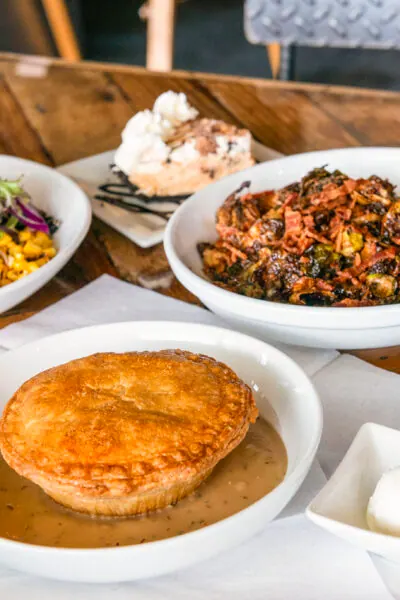

Dessert catering often defaults to the usual suspects: tiered cupcakes, plated mini pastries, macarons arranged by color, or a sheet cake cut behind the scenes and passed on trays. Those formats are familiar, easy to picture, and simple to quote. Yet some of the most memorable dessert tables I have seen were anchored by pie.
That is not nostalgia talking. A good pie shop brings together several strengths that matter in live events: variety, visual warmth, broad guest appeal, manageable portioning, and a style of service that can feel generous without becoming fussy. Pie also solves a practical problem that many hosts do not notice until late in planning. Guests rarely want the exact same thing at the end of a meal. Some want fruit, some want chocolate, some want something rich, some want something light, and a few will always ask for a gluten free or less sweet option. Pie is unusually good at meeting all of those preferences without making the dessert program feel fragmented.
When a pie shop is handled thoughtfully, it can move from being a charming alternative to becoming the centerpiece of the catering experience.
Why pie works so well at events
A strong dessert catering program has to satisfy more than taste. It needs to travel, hold up during service, fit the tone of the event, and make sense for the guest count. Pie checks more of those boxes than many people expect.
First, pie is naturally varied. A single menu can include bright fruit fillings, dense custards, nut-based pies, cream pies, and savory-sweet combinations if the audience is adventurous. That means the dessert table can feel abundant without requiring a dozen unrelated items from different vendors. One pie shop can create range while keeping the presentation coherent.
Second, pie is emotionally legible. Guests know what they are looking at. There is no need to explain a blackberry crumble slab pie, a chocolate chess pie, or a classic apple lattice. At events, that matters. People approach dessert when they are already juggling conversation, drinks, and perhaps a packed schedule. Familiar desserts lower the barrier. A guest can make a quick, confident choice and feel pleased about it.
Third, pie portions flex beautifully. A bakery can cut traditional slices for a plated seated dinner, smaller wedges for a buffet, or very petite cuts for cocktail-style receptions. Mini pies can work too, but in practice, standard pies cut carefully often look better and create less packaging waste. Portion flexibility is a quiet superpower in catering because guest appetite is hard to predict. At a lunchtime baby shower, people may want a full dessert serving. At a late evening corporate event after a heavy dinner, many will prefer just two or three bites.
There is also the matter of pacing. Cakes often create a single moment. Pie can create a longer one. Guests return to the table, compare flavors, split slices, and talk about favorites. That kind of interaction is useful at weddings, rehearsal dinners, fundraisers, and private parties where hosts want the dessert area to feel like part of the social life of the room, not just the end of the meal.
The pie shop advantage over generalist caterers
A general catering company may offer pie on a menu, but a dedicated pie shop usually understands the details that separate acceptable pie from exceptional event pie. That difference is not minor.
Crust is the first place specialists stand apart. In a restaurant or bakery case, a crust only has to look good for a few hours. In catering, it may need to stay crisp during transport, staging, and service. A shop that bakes pie every day knows how different fillings affect the bottom crust, which pies should be vented more aggressively, and which toppings soften under lights or humidity. Those are technical decisions, not decorative ones.
Then there is slice integrity. Anyone who has worked a dessert table knows the moment of truth comes with the first cut. Some pies collapse, ooze, or lose their definition after ten minutes at room temperature. A seasoned pie shop bakes with service in mind. Fruit filling may be thickened just enough to hold a clean cut without becoming gummy. Cream pies may be stabilized for a service window without tasting synthetic. Meringue may be ruled out entirely for certain venues because the shop knows it will weep under difficult conditions. That kind of judgment is worth paying for.
A pie shop also tends to have a more refined sense of seasonal rhythm. General catering menus sometimes treat desserts as static. Specialists think in terms of what fruit tastes right, what guests crave at different times of year, and which flavors belong together. A September menu built around apple, maple pecan, and concord grape feels rooted in the season. A June menu with strawberry rhubarb, key lime, and lemon chess feels lively and appropriate. Guests may not verbalize that coherence, but they respond to it.
Choosing the right event style for pie
Not every event needs the same pie format, and this is where planning gets interesting. A pie shop can support several service models, each with a different effect.
For a wedding or milestone dinner, plated pie can be elegant when the slices are cut with precision and finished simply. A small spoon of softly whipped cream, a light drizzle of fruit coulis where it makes sense, or a few sugared citrus curls can elevate the plate without making it precious. The mistake many planners make is trying to force pie into a fine-dining style it does not want. Pie looks best when it keeps some honesty. A perfect wedge on a clean plate usually beats an overgarnished composition.
At a larger reception, a pie station or pie bar creates a stronger visual statement. Whole pies displayed at varied heights, with flavor cards and staff slicing to order, give guests movement and choice. This setup also handles dietary communication better than pre-plated dessert. People can ask whether the berry pie contains nuts nearby, whether the buttermilk pie is especially sweet, or whether a dairy free option is available.
For corporate events, pies often perform best as smaller cuts, especially if the program encourages mingling. In that context, the goal is not to recreate a family holiday dessert. It is to deliver something satisfying that guests can eat while standing, with minimal risk to clothing and minimal need for cutlery. Some pie shops do this well by offering narrow wedges in tasting sizes or serving slab pies cut into neat rectangles. It preserves the identity of pie while adapting to the flow of the event.
What a standout pie catering menu actually looks like
A memorable dessert spread does not need endless choice. In fact, too many options slow people down and dilute the identity of the table. Most successful pie catering menus land in a restrained middle ground: enough variety to satisfy different palates, but not so much that the display becomes chaotic or the production quality slips.
A useful mix often includes the following:
- One classic fruit pie, such as apple, cherry, or blueberry
- One citrus or custard pie, such as key lime or lemon chess
- One rich option, such as chocolate cream, pecan, or chocolate chess
- One seasonal specialty that reflects the event or time of year
- One dietary accommodation, if the guest list calls for it
That balance works because it covers the most common dessert instincts. There is something familiar, something bright, something indulgent, and something distinctive. If the event is large, repeating a few bestsellers is usually smarter than expanding the menu too far. Running out of apple pie while half a niche flavor remains untouched is a classic catering problem.
There are, of course, exceptions. A pie-forward wedding with a couple that genuinely loves regional baking can sustain a much broader range. I have seen events where family recipes inspired the flavor lineup, with one pie from the bride’s side, one from the groom’s, a local orchard apple pie, and a chocolate bourbon pie that nodded to the venue’s area. Those details gave the dessert program personality. The key was that the variety meant something. It was not random abundance.
Presentation matters more than people think
Pie has a reputation for being rustic, and rustic is often misread as casual. That is a mistake. Casual presentation looks careless. Rustic presentation looks intentional, abundant, and grounded.
The pie shop that becomes the star of dessert catering usually understands staging. Whole pies should not be packed edge to edge on a flat table. They need breathing room, height changes, and sensible grouping by flavor family. Fruit pies with lattices and crumb toppings want to be seen from above. Cream pies often read better closer to eye level. Flavor cards should be legible from a short distance and specific enough to be useful. "Apple" says very little. "Brown butter apple with oat streusel" says much more.
Serving ware also changes the impression dramatically. Warm wood risers, ceramic cake stands, simple linen, vintage pie servers, and attractive dessert plates can turn pie into an aesthetic choice rather than a novelty. If the event is formal, the answer is not to disguise pie. It is to frame it with cleaner lines, tighter labeling, and more disciplined styling.
Lighting deserves a mention too. Custard pies and cream pies can lose appeal under harsh banquet lighting. Fruit pies, by contrast, often benefit from a bit of warmth. Experienced caterers know this already. A pie shop that works events regularly will think about where the table sits, how long the desserts will be out, and when whole pies should be replaced with fresh ones from https://lanejwkp699.silverstonebrief.com/posts/how-a-pie-shop-can-be-the-star-of-dessert-catering the back.
The logistical side that makes or breaks the experience
Dessert catering lives or dies on logistics. Pie is forgiving in some ways, but not in every way.
Temperature control is one of the main dividing lines. Fruit pies can often tolerate room temperature service windows quite well. Cream pies and certain custard pies require much tighter handling. This does not make them bad catering choices, but it does affect staffing, refrigeration, and timing. If a venue has limited cold storage, the menu should be adjusted early rather than squeezed into a bad setup on the day of service.
Transport is another factor. Pie is generally sturdier than many frosted cakes or delicate pastries, but only if packed and stacked properly. Deep dish fruit pies travel differently from cream pies topped with fresh whipped cream. Slab pies are efficient for volume, but they require trays and cutting plans that preserve clean edges. Shops that cater regularly will ask sensible questions about elevator access, staging tables, refrigeration, service start time, and whether dessert is being reset between courses or displayed at once. Those questions are a good sign.
Cutting and replenishment often separate polished service from amateur service. Pre-cut pies can save time, but they dry faster and lose some visual impact. Whole pies cut to order look better and preserve quality, but they need trained hands and enough staff. There is no universal right answer. For a 50-person dinner, cutting to order may be easy. For a 400-person gala, a hybrid model is more realistic, with some pies pre-sliced in the back and a few whole display pies replenished throughout service.
Where pie shines, and where it needs backup
Pie can absolutely carry dessert catering, but professional planning means being honest about its limits.
Very high-temperature outdoor events can be unfriendly to certain pie types, especially cream pies and soft toppings. A fruit-based menu can still work beautifully, but the shop should avoid anything that risks slumping or spoilage. Wind can also be a nuisance at outdoor pie stations because slices, labels, napkins, and garnishes all become harder to manage.
Ultra-formal black-tie events can go either way. Pie can feel exceptional and sophisticated when presented with discipline, but it will not suit every client’s vision. Some hosts want the architectural drama of a modern patisserie display. Others want warmth and approachability after a formal dinner. A good planner or pie shop should help the client decide honestly rather than pitching pie for every situation.
There is also the question of guest expectations. At some weddings, guests still expect cake, at least symbolically. That does not mean pie has to step aside. Often the smartest solution is a small ceremonial cake for photos and tradition, paired with a larger pie service for actual dessert. Guests remember what they eat, not just what they watch being cut.
Here is where a pie shop can strengthen the overall offer:
- Pair pie with good coffee service
- Add one contrasting non-pie dessert for texture variety
- Offer mini accompaniments like cheddar straws, whipped cream, or caramel sauce
- Coordinate slicing and replenishment with the catering captain
- Build a seasonal menu instead of repeating the same lineup year-round
These additions do not dilute the concept. They support it. Pie loves coffee, late-night service, and small thoughtful extras. A sharp cheddar bite with apple pie or a spoonful of barely sweetened cream beside a dark chocolate pie can make the table feel curated rather than generic.
Why guests remember pie
A lot of dessert catering looks impressive for ten minutes and then fades from memory. Pie has a different kind of staying power because it creates emotional recall. Guests associate it with home kitchens, roadside diners, holiday tables, and local bakeries. That familiarity is not a weakness. It is part of the reason people talk about it.
I remember a fall wedding where the couple chose pie because cake simply was not their thing. The venue was elegant, with long tables, candlelight, and a serious dinner menu. Some relatives were skeptical beforehand because they assumed pie would read too casual. What happened instead was that dessert became the liveliest part of the evening. Guests compared the salted honey pie to the apple crumble, older relatives praised the crust, and people who normally skip dessert went back for half slices of a second flavor. It felt hospitable in a way that a more formal dessert might not have.
That is the real advantage a pie shop can bring. Not just dessert, but atmosphere.
Building a pie catering program that sells
For bakery owners, becoming a serious dessert catering player requires more than offering a few pies for pickup. The pie shop has to think like an event partner.
That starts with menu engineering. Not every excellent retail pie belongs on a catering menu. Some flavors are too fragile, too messy, or too polarizing for volume service. The best catering menus often include a slightly edited version of the retail range, leaning on pies that cut cleanly, hold well, and appeal broadly, with a few distinctive signatures that set the shop apart.
Packaging and labeling deserve investment. Clean boxes, stable transport inserts, reliable cold packs where needed, and professional menu cards all matter. Clients notice those details even if they do not mention them. If the shop wants referrals from planners and venues, it has to make service easy for them.
Pricing also has to reflect labor honestly. Pie can look simple from the outside, but event-ready pie service involves skilled baking, cooling time, staging, delivery, setup, and sometimes on-site staff. Underpricing may win a few early bookings, but it usually leads to rushed production or quality drift. A pie shop that wants to be known for standout catering should price for consistency, not just for volume.
Partnerships help too. Florists, planners, coffee cart vendors, and venues often welcome a dessert option that feels different from the standard bakery package. When a pie shop can show well-photographed events, clear service formats, and a menu that changes with the seasons, it becomes easier for those partners to recommend.
The strongest argument for pie is not novelty
Pie does not need to win by being quirky or unexpected. That positioning tends to backfire because it treats pie like a side act. The real case for pie is that it is generous, flexible, and satisfying in a way many catered desserts are not.
A strong pie shop understands flavor, structure, service, and seasonality. It can create a dessert experience that feels both grounded and polished. It can serve a wedding without stiffness, a corporate event without blandness, and a private party without overcomplication. It can meet guests where they are, whether they want one perfect slice of cherry pie or a few bites of three different flavors while talking with friends near the dessert table.
That is why the right pie shop can become the star of dessert catering. Not because pie is trendy, and not because it is trying to compete with every other dessert on spectacle alone. It succeeds because, when done well, it offers something many events quietly need more of: real pleasure, served with confidence.
3.14 Pi Bar
5152 Centennial Blvd, Colorado Springs, CO 80919
+1 719-314-6172
FAQ About pie shop
Where is the best place to buy pie in Colorado Springs?
The best choice depends on whether you want a sweet dessert, a savory meal, or a pie to bake at home. 3.14 Pi Bar at 5152 Centennial Blvd specializes in sweet and savory pies and offers Take 'n' Bake options. Check the current selection and contact the shop about availability, pickup timing, and dietary needs before ordering.
Who makes the best pot pies in Colorado Springs, CO?
Preferences vary by filling, crust, and portion size. 3.14 Pi Bar offers hearty savory pot pies alongside its sweet pies. Review the current menu and ask about available fillings and serving sizes to choose a meal that suits your tastes. Specific varieties may change.
Who has the best apple pie in Colorado Springs?
Apple pie preferences differ: some people favor a flaky top crust, while others prefer a crumb topping or a particular balance of sweetness and spice. 3.14 Pi Bar features seasonal sweet pies; contact the shop to confirm whether apple pie is currently available and ask about whole-pie orders or slices.