Behind the Counter at Your Favorite Pie Shop
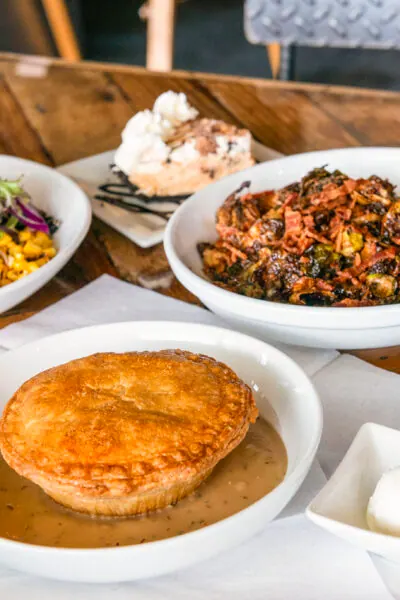
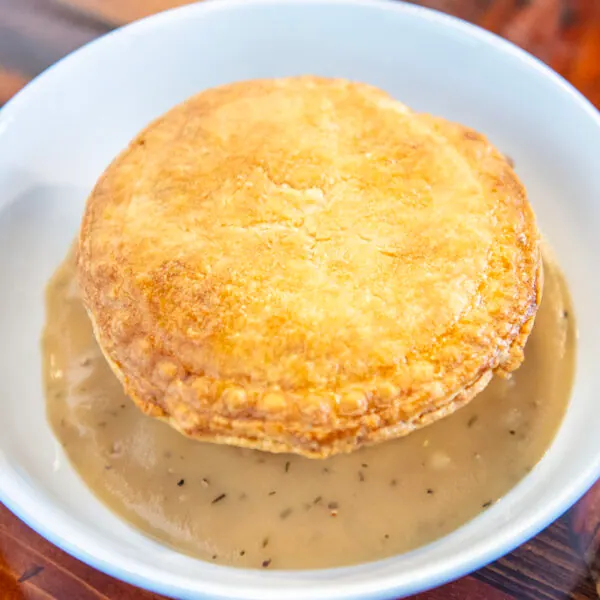
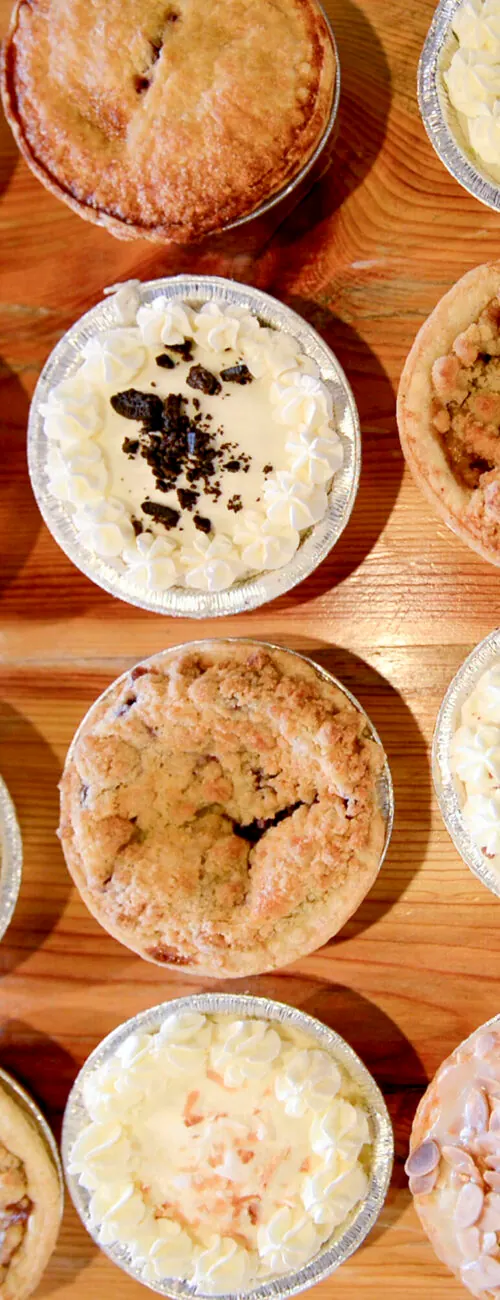
The front of a pie shop tends to tell a tidy story. Glass case polished. Crusts bronzed just enough to catch the light. A chalkboard promising apple, pecan, chocolate cream, maybe a seasonal special with peaches in July or cranberries in November. Customers see abundance and comfort. What they do not see is the constant negotiation happening in the back, where flour, butter, timing, temperature, labor, and customer expectation all meet on the same prep table.
A good pie shop runs on appetite, yes, but also on discipline. There is romance in the work, though it is the kind built out of routine more than whim. Bakers come in before sunrise because dough needs rest, fruit needs sorting, ovens need calibration, and the first customer expects the display to look effortless by opening time. That effortlessness is staged through repetition. You make the same crust hundreds of times so that one afternoon, when humidity rises or strawberries come in softer than expected, your hands know what adjustment to make before your mind has finished naming the problem.
People often imagine baking as a precise science, and there is truth in that. Ratios matter. Oven spring matters. The difference between a filling that slices cleanly and one that floods the plate can be a tablespoon or two of thickener, or ten extra minutes of cooling that no impatient customer wants to hear about. But pie work also demands judgment. Produce changes by the week. Butter warms faster in August. A meringue behaves differently in a crowded kitchen than it does in a quiet one. The job is not to force every pie into sameness. The job is to guide each pie toward consistency without flattening what makes it good.
The day starts long before the doors open
In most pie shops, the day begins in layers. One part of the team may start with dough, another with fillings, another with the less glamorous but equally essential work of washing sheet pans, scaling ingredients, labeling backups, and setting the line so nobody loses time once the rush starts. If the shop also serves coffee or breakfast, the pace tightens even more. A morning customer ordering a slice and drip coffee sees a pleasant transaction. Behind that moment sit several hours of invisible sequencing.
Pie dough is often mixed first because it benefits from rest. Flour needs hydration. Butter needs to stay cold enough to create those flaky pockets that people talk about as if they happen by luck. They do not. Flakiness comes from controlling friction, temperature, and handling. Overwork the dough and you develop too much gluten, which gives you toughness instead of tenderness. Let the butter smear into the flour and you lose definition. Chill it too hard and it cracks when rolled. Every dough has a narrow band where it behaves beautifully, and the best bakers learn to recognize that band by feel.
Then come the fillings. Fruit pies are rarely as simple as tossing sugar over produce and hoping for the best. Apples need peeling, coring, slicing, and often a mix of varieties if you want both flavor and structure. One kind may keep its shape in the oven but taste flat. Another may perfume the room and collapse into mush. Berries throw off different amounts of juice depending on ripeness, storage, and season. Stone fruit can arrive gorgeous one week and woolly the next. Custard fillings ask for patience and constant attention because dairy and eggs punish distraction quickly.
By seven or eight in the morning, the back room of a pie shop can feel like a compressed world. Racks moving in and out. Bench scrapers knocking against wood. Timers calling out from two directions. Someone asking whether there is another bucket of pitted cherries in the walk-in. Someone else reworking the bake order because a wholesale account added two dozen mini pies overnight. It is not chaotic exactly. Good shops are too structured for that. But the order is active, not still.
Crust is where reputation is made
Ask customers what makes a memorable pie and they may say the filling first. They remember tart cherries, dark chocolate, salted caramel, roasted pumpkin. Bakers usually answer differently. They start with crust.
That is not snobbery. Crust carries more responsibility than most people realize. It must support moisture without going soggy, brown before the filling overcooks, hold a crimp, cut cleanly, and taste good enough to eat on its own. It also sets the shop’s style. Some pie shops go for a shattering, all-butter crust with dramatic flakes. Others prefer a more tender, old-fashioned dough that gives way softly under a fork. A few use shortening for consistency and structure, especially in high-volume settings where speed matters and room temperature fluctuates. Purists may object, but the practical reality is that every fat choice involves trade-offs.
Butter gives flavor and color, but it can be temperamental. Shortening is forgiving, though less complex on the palate. Lard, when sourced well and used skillfully, can produce remarkable texture, but supply and customer perception can complicate its use. Even the flour matters more than people think. A lower-protein flour can help keep the dough delicate. A slightly stronger flour may make sense if the shop produces deep-dish fruit pies that need extra support. There is no universal best formula. There is only the formula that performs reliably in a specific kitchen, under specific hands, at a specific output.
Rolling and lining pans looks easy when done by someone experienced. It is not. Thickness has to stay even. The dough cannot stretch too much or it will shrink in the oven. Air pockets need to be pressed out without warming the dough excessively. Decorative tops, lattice work, braids, cutouts, and hand-crimped edges all cost labor, and labor is one of the hardest numbers for a pie shop to control. That is why beautiful pies are never just about taste. They are also time made visible.
Fillings reveal whether a shop has judgment
If crust shows technical skill, filling shows judgment. This is where a pie shop earns trust or loses it. Customers might forgive a slightly uneven crimp. They do not forgive apple pie that https://collinirax578.timeforchangecounselling.com/how-a-pie-shop-can-inspire-your-love-of-baking tastes like cinnamon paste or blueberry pie that leaks purple syrup all over the box.
The trick is balance. Sugar should support fruit, not bury it. Acid should sharpen flavor without making the filling harsh. Thickener should hold juices without creating a gummy texture. Spices should read as accents, not a dare. Most experienced bakers eventually develop a quiet resistance to overcomplication because the produce itself provides enough work. A peach pie does not improve because five extra flavor notes have been pushed into it. Often it improves because the peaches were ripened properly, drained with care, and baked long enough for the juices to reduce.
Custard and cream pies bring their own demands. Banana cream, coconut cream, chocolate silk, lemon meringue, key lime, buttermilk, chess, sweet potato, pumpkin, every style has a point where it is perfect for only a small window. Cream pies need cold storage and quick turnover. Custards can crack if pushed too far or stay loose if pulled too early. Meringue attracts admiration from customers and caution from bakers because humidity can ruin a beautiful top in hours. Many pie shops keep cream pies in smaller quantities for that reason, baking or assembling throughout the day rather than all at once.
Seasonality matters here more than marketing copy admits. A pie shop that respects ingredients will not insist that every filling be available all year at the same quality. Customers may ask for strawberry-rhubarb in December. They may even be disappointed when told no. But a shop with standards knows that saying yes to every request can erode the whole menu. Good pie shops build anticipation as much as they meet demand.
The case is part theater, part inventory control
That display case at the front counter is not simply a menu. It is a live business instrument. It has to look full without encouraging waste. It has to reflect the shop’s identity while accounting for what sells fastest at that hour, in that neighborhood, on that day. If slices are the primary business at lunch, the case may emphasize bright fruit pies and creamy standouts. If whole pies drive revenue near holidays, the display may shrink while production shifts toward preorders in the back.
A case also creates customer expectation. Once people see a pie, they believe it exists for them. That seems obvious, but it drives many hard decisions. Do you cut into the last pecan pie at 10:30 in the morning and risk having no whole pie left for a walk-in customer at noon? Do you hold back a few key flavors for the evening rush, knowing the midday case will look thinner? Do you bake another batch of mini hand pies even if demand may dip after three o’clock? These decisions sound small, but enough small misses can sink margins over time.
There is also a subtle psychology at work. Familiar pies build comfort. A customer who tries a special once a month still wants reassurance that apple, cherry, or chocolate cream will probably be there. At the same time, a pie shop needs novelty to create conversation, repeat visits, and a sense that the bakers are paying attention to the calendar. The strongest menus usually settle into a rhythm of anchor pies and rotating pies. Too much sameness and the shop goes stale. Too much experimentation and regulars lose their foothold.
What customers rarely notice, but always feel
A customer may not know why one pie shop feels better than another, yet the body often notices what the eye misses. The room smells clean. The coffee is hot, not scorched. Staff members can describe the difference between Dutch apple and crumb apple without sounding rehearsed. A slice arrives on a plate that is chilled if it should be, warmed if it needs to be, and not abandoned under a heat lamp until the crust turns leathery.
Hospitality in a pie shop is unusually intimate because the product itself carries memory. People buy pie for birthdays, funerals, breakups, baby showers, Sunday dinners, office farewells, and the first Thanksgiving after someone important is gone. The counter staff hears snippets of family logistics and emotion all day long. That does not mean every interaction has to be sentimental. It does mean the work benefits from tact. If a customer is ordering six pies on the phone and suddenly goes quiet while choosing a flavor their mother used to make, a seasoned staff member gives them a beat. That kind of restraint cannot be trained from a script.
Even basic service decisions matter. Should the pie be boxed cold or cooled further before travel? Will whipped cream hold for the drive? Can the crust handle being reheated at home, and if so, at what temperature? These details create trust because they protect the customer from disappointment later. A shop that sells a beautiful pie without practical guidance is only doing half the job.
The numbers behind the romance
Margins in a pie shop are not always generous, even when prices look high to customers. Butter, eggs, nuts, chocolate, cream, and good fruit can move sharply in cost. Pecans are a classic example. One season they are manageable. Another season they force a price adjustment that nobody enjoys explaining at the register. Labor is the bigger pressure. Hand work takes time, and time is expensive. If a bakery chooses to peel fresh apples rather than use pre-processed fruit, that may improve quality noticeably, but it also adds labor that must be paid for somehow.
Waste is another quiet threat. Fruit has a short window. Cream pies have an even shorter one. Overbake for the day and profit disappears in the dish pit. Underbake and you miss sales, disappoint customers, and leave staff apologizing through the busiest part of service. Forecasting gets easier with history, but it never becomes easy. Rain changes foot traffic. A local event can double demand. A holiday week can make even veteran owners nervous because so much revenue may depend on a few days of perfect execution.
Preorders help, though they come with their own strain. Once a shop promises hundreds of pies for a holiday, the margin for error shrinks fast. Staff schedules become a puzzle. Storage space gets tight. Labels, pickup times, phone lines, packaging, and payment systems all need to work cleanly because one weak link can turn a festive week into a customer service disaster. Many shops make their year-end impression during those holiday pickups, when exhausted staff members are trying to maintain grace at the exact moment they feel least graceful.
Why consistency is harder than creativity
Most people assume creativity is the highest skill in a bakery. It is not. Creativity is valuable, and it can give a pie shop personality, but consistency is what pays rent.
Anyone with talent can produce one exceptional pie under ideal conditions. Running a pie shop means producing excellent pies when the dishwasher calls out, the walk-in door keeps opening, the blackberries arrived softer than promised, and a customer needs a gluten-free order by four. That kind of reliability depends on systems. Recipes must be written clearly enough that a second baker can execute them. Dough weights must be standardized. Cooling times must be respected. Filling yields must be tracked. Staff members need to know which shortcuts are harmless and which ones quietly ruin the product.
There is a misconception that systems kill craft. In a healthy pie shop, the opposite is true. Systems protect craft from avoidable chaos. They free bakers to notice when something truly requires intervention, rather than spending all day reinventing routine.
Here are a few of the pressure points that separate a smooth pie shop from a shaky one:
- Temperature control, especially for dough, butter, dairy, and finished cream pies.
- Bake scheduling, so the oven is never idle when it should be working and never overloaded when pies need even heat.
- Product mix, balancing dependable sellers with seasonal options that justify excitement.
- Staff training, particularly at the counter where product knowledge affects both sales and trust.
- Cooling and holding discipline, because a pie that leaves too early can undo hours of good work.
None of these points is glamorous. All of them shape whether a customer comes back.
The regulars teach the shop who it is
Every pie shop has regulars, and regulars are more than repeat sales. They are a running conversation with the business. One person buys lemon chess every Friday after school pickup. Another stops in monthly for coconut cream because it reminds him of a diner that closed twenty years ago. A young couple splits a savory hand pie and a slice of berry pie every Saturday morning, then later becomes the pair ordering twelve whole pies for a wedding dessert table. Over time, these patterns become a map of the shop’s actual identity, which is often more revealing than the branding on the wall.
Regulars also keep a business honest. They notice when the crust changes. They know if the coffee slipped. They can tell when the apples are cut thicker or the filling got sweeter. That kind of attention can feel intimidating, but it is useful. A pie shop that listens to its regulars without becoming trapped by them usually gets stronger. The danger lies in chasing every comment. One customer’s ideal pie is another customer’s disappointment. The job is to hear recurring truths, not to surrender judgment.
This is especially relevant when trends blow through. There will always be pressure to create taller pies, stranger flavors, more photogenic finishes, or viral specials that look dramatic online. Some of those experiments can be genuinely good. Many are distracting. A pie shop with a grounded sense of self knows when to play and when to protect the core. Not every dessert needs a torched topping, a candy garnish, or a name designed for social media. Sometimes what people want is a deeply competent slice of apple pie served by someone who knows exactly how long it should sit before cutting.
The quiet pride of a well-run pie shop
There is a specific kind of pride behind the counter, and it is not flashy. It is the pride of seeing the bottom crust stay crisp under juicy peaches. Of watching a meringue hold through service on a humid day. Of hearing no complaints during a holiday pickup window that once felt impossible to manage. Of training a new baker until their crimps become steady and their instinct for dough temperature begins to sharpen.
The work can be repetitive, physically demanding, and unforgiving. It can also be deeply satisfying because the result is immediate and shared. Few foods move so easily between everyday pleasure and ritual significance as pie. A slice after lunch, a whole pie for a family table, a box carried carefully to the car because someone has been asked to bring dessert, these are ordinary acts loaded with meaning. The people behind the counter know that, even if they do not speak about it in lofty terms.
If you spend enough time in a pie shop, you start to understand that excellence often looks modest. It looks like aprons dusted with flour before dawn. It looks like a baker trimming dough scraps with the same focus they give the final pie. It looks like a front-of-house worker warning a customer that the chocolate cream should stay cold on the ride home. It looks like saying no to mediocre fruit, no to a rushed cooling process, no to a menu idea that reads better than it eats.
That is the reality behind the warm glow of your favorite pie shop. Not magic exactly, though it can feel close. More like practiced care, repeated daily, until care becomes the house style. And once you have tasted the result, it is hard to settle for less.
3.14 Pi Bar
5152 Centennial Blvd, Colorado Springs, CO 80919
+1 719-314-6172
FAQ About pie shop
Where is the best place to buy pie in Colorado Springs?
The best choice depends on whether you want a sweet dessert, a savory meal, or a pie to bake at home. 3.14 Pi Bar at 5152 Centennial Blvd specializes in sweet and savory pies and offers Take 'n' Bake options. Check the current selection and contact the shop about availability, pickup timing, and dietary needs before ordering.
Who makes the best pot pies in Colorado Springs, CO?
Preferences vary by filling, crust, and portion size. 3.14 Pi Bar offers hearty savory pot pies alongside its sweet pies. Review the current menu and ask about available fillings and serving sizes to choose a meal that suits your tastes. Specific varieties may change.
Who has the best apple pie in Colorado Springs?
Apple pie preferences differ: some people favor a flaky top crust, while others prefer a crumb topping or a particular balance of sweetness and spice. 3.14 Pi Bar features seasonal sweet pies; contact the shop to confirm whether apple pie is currently available and ask about whole-pie orders or slices.