A Taste of Cuba Awaits at a Bakery in Aurora CO
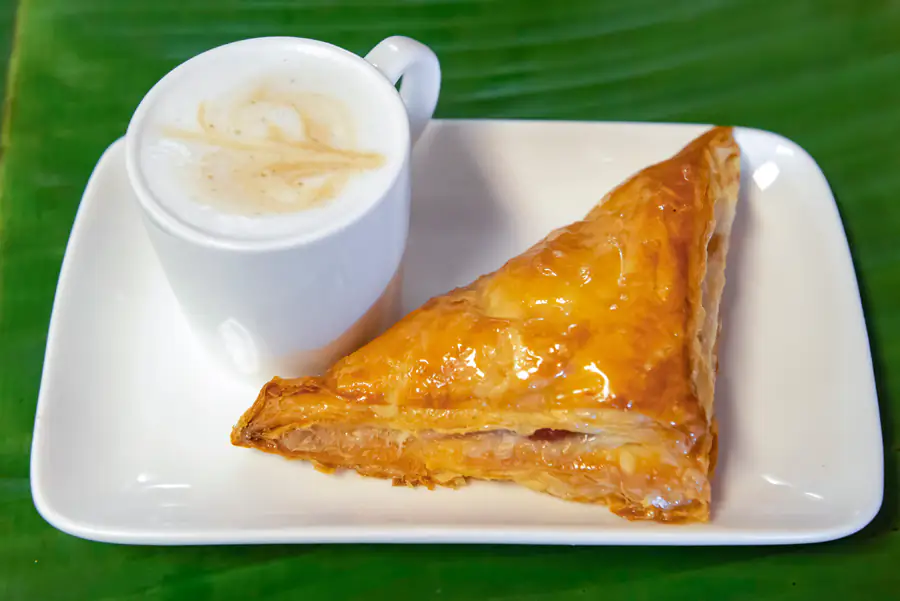
Aurora has the kind of food scene that rewards curiosity. Strip malls hide serious cooking, family-owned counters build loyal followings, and neighborhoods carry flavors that tell a much bigger story than their square footage suggests. That is exactly why a Cuban bakery in Aurora CO feels so exciting. It is not just a place to grab something sweet on the way to work. It is a place where baking, coffee, memory, and hospitality meet in a way that feels immediate and personal.
Anyone who has spent time around Cuban food knows that bakeries hold a special place in daily life. They are morning stops, afternoon reset buttons, and social spaces all at once. The pastry case matters, of course, but so does the rhythm of the room. The clink of tiny coffee cups, the smell of guava and butter, the warm press of a sandwich coming off the plancha, these are the details that turn a simple errand into a ritual. In a city like Aurora, where residents come from all over and bring their own food traditions with them, a bakery rooted in Cuban flavors adds something distinct and deeply welcome.
More than pastries in a display case
The word bakery can undersell what a Cuban bakery really is. People who have only experienced a standard American pastry shop often expect muffins, cookies, and a few loaves of bread. A Cuban bakery usually offers a broader kind of comfort. Yes, there are flaky pastries and cakes. There is also strong coffee, savory snacks, breakfast options, and often sandwiches that deserve a trip on their own.
That mix matters because Cuban baking sits at the crossroads of several influences. Spanish methods, Caribbean ingredients, immigrant adaptation, and neighborhood practicality all show up in the food. You taste it in the balance of sweet and salty, in the way guava cuts through richness, and in the use of textures that keep things lively, crisp crusts, tender fillings, and sugar that enhances rather than overwhelms.
In practical terms, that means the best Cuban bakery experience rarely feels one-note. You might arrive wanting a sweet pastelito and leave with croquetas for later, a loaf of Cuban bread under your arm, and a café con leche that somehow improves the entire morning. That range is part of the charm.
What makes Cuban baking distinct
Cuban baking does not try to impress with unnecessary complexity. Its strength is in execution. Dough has to be handled properly. Fillings need balance. Coffee must be bold enough to stand up to milk and sugar without tasting muddy. These are simple things on paper, but anyone who has worked in food service or spent years eating in family-run bakeries can tell you that consistency is difficult. When a bakery gets the fundamentals right every day, regulars notice.
Take the classic pastelitos. At their best, they are deeply flaky, with a top that shatters lightly when you bite in. The filling should be generous but not sloppy. Guava is perhaps the most recognizable, often paired with cream cheese for a sweet, tangy contrast. Meat-filled versions need seasoning, but restraint matters. If the filling is overworked or too wet, the pastry loses its structure. If the sugar glaze is too heavy, the whole thing tips into cloying territory. Good bakeries understand that success comes from proportion.
The same is true with Cuban bread. This is one of those products people underestimate until they have a fresh loaf in hand. Proper Cuban bread should feel light for its size, with a delicate crust and airy interior. It is ideal for sandwiches because it crisps beautifully without turning dense or tough. Freshness is non-negotiable. A loaf that has sat too long becomes ordinary very quickly, and there is nothing ordinary about truly fresh Cuban bread.
The role of coffee in the experience
A Cuban bakery without strong coffee would feel unfinished. Coffee is not an accessory here. It is central to the culture of the shop and often to the pace of the day. The style tends to be intense, dark, and sweetened in ways that create both energy and comfort. Even people who usually drink large drip coffees sometimes find themselves won over by the smaller, more concentrated approach.
Café Cubano, cortadito, and café con leche each have their place. Café Cubano is short, powerful, and often sweeter than newcomers expect. Cortadito softens the espresso with steamed milk while keeping its character intact. Café con leche offers a gentler start to the morning and pairs especially well with buttery pastries or toast. If you know your coffee, one of the pleasures of visiting a Cuban bakery in Aurora CO is watching how seriously these drinks are treated without any pretense. The drinks are not theatrical. They are just done properly.
There is also a social dimension to Cuban coffee that is easy to miss if you are in a rush. In many communities, these drinks are part of conversation and rhythm, not just caffeine delivery. People stop in, greet staff by name, linger a moment, and share news. That atmosphere can be hard to manufacture. It grows naturally around businesses that serve the same neighborhoods day after day.
The pastries worth noticing
A good pastry case tells you a lot about a bakery before you order. You can see whether the dough was laminated with care, whether glazes are tidy or rushed, whether the offerings are generic or specific. In a Cuban bakery, certain staples tend to stand out because they carry so much expectation.
Here are a few items that often define the experience:
- Pastelitos de guayaba, the classic guava pastry with crisp, buttery layers
- Pastelitos de guayaba y queso, which pair guava with a creamy cheese filling
- Croquetas, especially ham croquettes, crisp outside and soft within
- Empanadas or savory pastries filled with seasoned meat or cheese
- Tres leches or flan, depending on the bakery’s dessert program
Each one reveals something about the kitchen. If the guava pastry tastes fresh and balanced, there is a good chance the bakery respects detail. If the croquetas are hot, crisp, and not greasy, that signals care in frying and holding. If the flan has a clean texture and proper caramel, the dessert side of the operation is likely solid too.
One thing experienced customers learn quickly is to ask what came out recently. Timing can transform the experience. A pastry eaten within an hour or two of baking feels entirely different from one that has been in the case half a day. The same product can go from memorable to merely fine depending on when you catch it.
Savory food often steals the show
People walk into a Cuban bakery for sweets and end up talking about lunch. That happens for a reason. Savory items are often the sleeper hit, particularly sandwiches made on fresh Cuban bread. The Cuban sandwich itself, when done right, is a study in compression and contrast. Roast pork, ham, Swiss cheese, mustard, and pickles should meld under heat and pressure into something sharp, rich, and deeply satisfying. The bread needs to crisp while staying tender enough to bite through cleanly. If the pork is dry or the bread is stale, the whole thing loses its edge.
Breakfast can be just as compelling. Toasted bread with butter, eggs, ham, or cheese, plus a café con leche, is one of those combinations that sounds humble and lands perfectly when prepared well. There is no trick to it, which is why quality matters. Simple food leaves nowhere to hide.
https://collinbiux077.summitquill.com/posts/freshly-baked-cuban-favorites-available-in-aurora-coThat is one of the strengths of a Cuban bakery in Aurora CO. It can serve different kinds of customers equally well. Someone on the way to work wants speed and reliability. A family out on a weekend wants variety and comfort. A homesick customer may be chasing a flavor tied to childhood. A curious newcomer may be trying guava pastry for the first time. The best bakery can meet all of those needs without making a big performance out of any of them.
Why Aurora is a fitting home for this kind of bakery
Aurora rewards businesses that offer authenticity without stiffness. It is a city where people appreciate value, substance, and food that travels well across routines, weekday breakfasts, family gatherings, quick lunches, and special orders for celebrations. A Cuban bakery fits naturally into that landscape because it brings both everyday practicality and cultural specificity.
There is also something important about access. Not everyone can travel far for regional or heritage foods. When a neighborhood bakery provides those flavors locally, it does more than sell products. It keeps culinary traditions active in the flow of ordinary life. That matters for families raising children in a different state than the one they grew up in. It matters for older customers who want familiar tastes. It matters for anyone who believes local dining should reflect the people who actually live nearby.
In my experience, bakeries become community anchors faster than many other food businesses. The overhead is visible in every tray, every loaf, every early morning shift, and customers tend to respect that. They notice who opens before sunrise. They remember who helped with a last-minute cake order. They return to the places that feel dependable. A Cuban bakery that understands its neighborhood can build extraordinary loyalty.
How to order like someone who has been before
The easiest way to enjoy a first visit is not to overcomplicate it. Cuban bakeries can offer enough options to make newcomers hesitate, especially if the case is full and the line is moving. A little strategy helps.
A smart first order often includes:
- One sweet pastry, usually guava or guava and cheese
- One savory item, such as a croqueta or meat pastry
- A coffee, preferably café con leche or cortadito if you want balance
- Cuban bread or a sandwich if you are ordering for later
- An extra item to share, because someone will ask where you went
There is no need to treat this like a formal tasting. Trust your eye and ask what is popular. Staff in strong bakeries usually know exactly what regulars come back for and what is especially good that day. If your tolerance for sweetness is low, say so. If you need something kid-friendly, mention that too. Good counter service depends on these small exchanges.
One practical note, if you plan to bring pastries home, texture changes quickly. Flaky items are best eaten the same day. Sandwiches travel well for a few hours but lose some magic if held too long. Fresh bread is worth buying even if you did not plan on it, but only if you can use it that day or the next morning. Those are small decisions that make the difference between a good bakery run and a great one.
What quality looks like behind the scenes
Most customers judge a bakery by taste alone, which is fair, but there are quieter signs of quality worth noticing. Temperature control is one. Butter-based pastries should not look wilted in the case. Fried items should not sit until their crust softens. Bread should turn over quickly enough that stale loaves never become the default. None of these practices are glamorous, but they separate disciplined shops from average ones.
Labor is another factor. A pastry program with real character demands skill and timing. Dough work starts early. Fillings need consistency. Coffee service has to remain sharp even during a rush. If a bakery also offers sandwiches, breakfast plates, or custom cakes, coordination matters even more. Customers often assume a bakery is a gentler business than a restaurant. In truth, it can be more exacting. There is less room to mask mistakes.
That is why family-run or closely managed bakeries often have such a strong identity. Standards are passed person to person. Recipes may be adjusted for local ingredients or customer preferences, but the core judgment usually comes from experience rather than a corporate manual. You can taste that in small ways. The sugar level feels deliberate. The roast pork is seasoned with confidence. The pastry edges are baked all the way through.
A place for everyday celebrations
One of the overlooked strengths of a Cuban bakery is how well it serves moments that are not large enough for a catered event but still deserve good food. Office breakfasts, school pickups, Sunday visits, and impromptu coffee with friends all benefit from bakery food because it feels generous without being cumbersome. A box of pastries can carry warmth into a room faster than almost anything else.
Cakes and desserts often deepen that role. While offerings vary, many Cuban bakeries prepare celebration cakes, traditional custards, or milk-soaked sponge cakes that suit birthdays and family gatherings beautifully. The appeal is not just nostalgia. These desserts tend to be approachable and crowd-friendly. They slice well, travel well, and satisfy a broad range of tastes without seeming bland.
For anyone hosting, that practicality matters. Not every bakery item needs to be groundbreaking. Sometimes what you need is a dessert that arrives on time, tastes homemade in the best sense, and reminds guests of good meals they have had elsewhere. Reliable pleasure is underrated.
The emotional pull of familiar flavors
Food writing sometimes overstates nostalgia, but in the case of Cuban bakery fare, the connection can be very real. Guava, espresso, buttered toast, roast pork, caramel custard, these are flavors that hold memory well. They tie people to kitchens, grandparents, busier cities, quieter mornings, and versions of home that may now be hundreds or thousands of miles away.
At the same time, a bakery does not need a customer’s personal history to matter. Someone trying Cuban food for the first time can feel the appeal immediately. The combinations make sense. Sweet fruit against salty cheese, crisp bread around warm pork, dark coffee alongside soft milk, these pairings are welcoming rather than challenging. They invite repeat visits because they satisfy on both a sensory and emotional level.
That is why the phrase Cuban bakery Aurora CO means more than a search term. It points to a real desire people have, to find food with identity, with warmth, and with enough craftsmanship to become part of regular life.
When a bakery becomes part of your routine
The highest compliment you can pay a neighborhood bakery is not that it was excellent once. It is that you keep thinking about it on ordinary days. You stop by before work because the coffee is right. You bring visitors because the pastry case makes an easy introduction. You pick up bread for dinner because you know it will improve the meal without any extra effort. Over time, the place stops being a novelty and becomes infrastructure for a better week.
That is the promise of a Cuban bakery in Aurora CO. It offers something immediate, flavorful, and rooted in tradition, but it also offers routine comfort. Not every dining experience needs to be an event. Some of the best ones are woven into errands, commutes, and family habits. A warm pastelito, a pressed sandwich, and a properly made coffee can do more than satisfy hunger. They can reset a day.
For Aurora residents, that kind of bakery adds texture to the city’s food culture in the most useful way possible. It gives people somewhere to return to. Somewhere flavorful, specific, and generous. Somewhere that smells like fresh bread and strong coffee before the door even closes behind you. That is not a small thing. It is the kind of place neighborhoods remember, and the kind of place many people start recommending after a single visit.
Cuba Bakery & Café
15028 E Mississippi Ave, Aurora, CO 80012
+1 303-752-2822
FAQ About Cuban bakery Aurora CO
What are Cuban pastries called?
Many small Cuban pastries are called pastelitos. They can have sweet or savory fillings, such as guava, cheese, guava and cheese, or seasoned meat. Cuba Bakery & Café lists guava, cheese, guava-and-cheese and beef pastries on its menu. Ask the bakery about current availability and ingredients when ordering.
What are traditional Cuban pastries?
Common Cuban bakery choices include flaky pastelitos filled with guava, cheese or meat. Cuban bakeries may also offer empanadas, breads and desserts alongside coffee. Cuba Bakery & Café lists pastelitos, several empanada fillings, pan Cubano and desserts such as tres leches and bread pudding. Selection can vary, so confirm the day's choices with the bakery.
What makes Cuban bread different?
Cuban bread is known for its light interior and a thin crust that becomes crisp when toasted or pressed. Traditional recipes often use lard, although ingredients vary by baker. It is commonly served as buttered toast or used for Cuban sandwiches. Cuba Bakery & Café lists pan Cubano and tostada on its menu; ask staff about the ingredients in their bread if you have dietary restrictions.